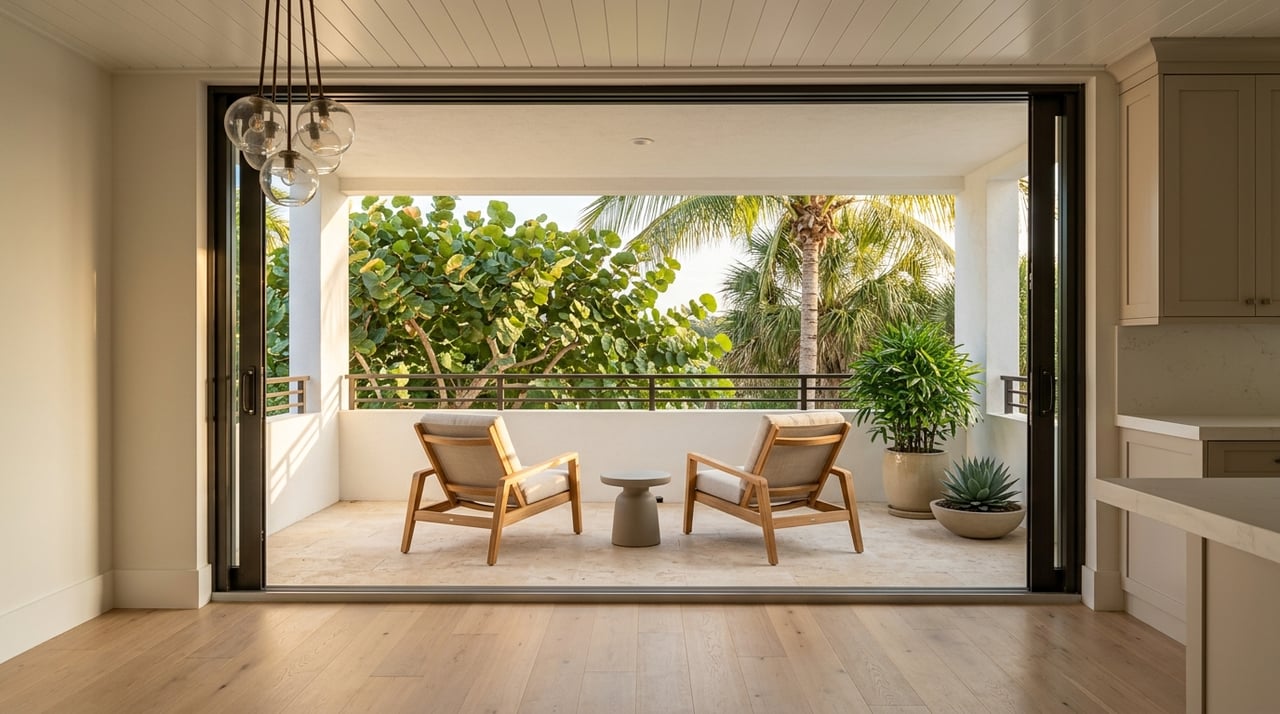
Thinking about buying a Sarasota coastal home from abroad? You are not alone, and the path can be more straightforward when you know what to plan for early. From condo rules and rental restrictions to flood insurance, tax IDs, and remote closing options, a few smart steps can help you avoid surprises and move forward with confidence. Let’s dive in.
Why Sarasota appeals to international buyers
Sarasota fits many of the priorities international buyers already have. According to the National Association of Realtors, Florida remained the top U.S. destination for foreign buyers, and 47% of international purchases were cash in the latest survey period.
That same pattern lines up well with Sarasota’s coastal housing mix. In NAR’s 2024 international transactions report, 45% of foreign buyers purchased for vacation use, rental use, or both, and buyers living abroad were more likely to buy condos than buyers already living in the U.S. Coastal condos and lock-and-leave properties can be a practical fit when you want seasonal use, lower day-to-day upkeep, or flexible long-term planning.
Start with your property goals
Before you look at neighborhoods, views, or building amenities, define how you want to use the property. Your intended use affects what type of home may work best and what rules you need to review.
Ask yourself whether the home is mainly for:
- Seasonal personal use
- A future primary residence
- Rental income
- A mix of personal use and rental use
This step matters because Florida condominium documents can include restrictions on use, occupancy, leasing, and transfer. Under Florida condominium law, disclosure materials must identify restrictions on sale, lease, or transfer, so you want those answers early in the process.
Check rental rules by municipality
One of the biggest mistakes international buyers can make is assuming every Sarasota-area coastal address follows the same rental rules. It does not. The exact city or town matters, and condo or HOA rules can add another layer.
For example, the City of Sarasota vacation rental rules require a minimum stay of 7 full days and 7 full nights within city limits. Longboat Key generally requires at least 30 consecutive days unless a property is grandfathered for tourism use or located in a tourism-zoned district. Longboat Key also requires registration for rentals under 6 months and a business tax receipt.
If rental flexibility is part of your plan, verify these details property by property. A waterfront condo in one municipality may allow a very different rental pattern than a similar property just a short drive away.
Build the right buying team
Cross-border purchases usually go more smoothly when you have the right professionals in place from the beginning. A practical team often includes:
- A coastal buyer’s agent
- A lender, if financing is needed
- A title or closing company
- A Florida CPA
- Immigration counsel, if your long-term stay plans need legal guidance
This matters because financing, tax reporting, condo document review, and visa or admission questions are separate issues. As noted by Chase’s international relocation guidance, foreign-national transactions often involve added documentation, timeline planning, and coordination.
Decide on cash or financing early
Many international buyers choose to pay cash. NAR reports that 47% of international buyers paid cash, and in its 2024 report, 68% of nonresident foreign buyers made an all-cash purchase.
If you plan to finance, start earlier than you think you need to. One major lender’s international-relocation program notes that foreign-national borrowers may need a U.S. address before applying, may need a U.S. bank account before closing, and may need translated documents and foreign asset statements. That same guidance says closing can take 60 days or more from preapproval.
Protect your closing funds
International buyers should be especially careful with wire fraud. The Consumer Financial Protection Bureau warns that scammers often impersonate agents or settlement professionals and send false wire instructions.
A simple rule can protect you: always verify wire instructions by phone using a number you already know. Do not rely on phone numbers included in an email, even if the message looks legitimate.
Review condo and HOA documents early
If you are buying a condo or a home in a community association, document review is not a minor step. It is one of the most important parts of your due diligence.
Request these items as early as possible:
- Declaration of condominium or HOA documents
- Bylaws
- Current rules and regulations
- Budget and financial information
- Recent meeting minutes
Under Florida law, condo declarations can control use, occupancy, and transfer. The law also provides access to official records after a proper request, which can help you evaluate leasing rules, approval requirements, and other practical limits before closing.
Check flood risk before you commit
For Sarasota coastal homes and condos, flood risk should be part of your decision process from the start, not after you go under contract. Parcel-level review is key because flood risk is not defined only by city boundaries.
According to FEMA’s flood map guidance, there is no such thing as a no-risk zone, and standard homeowners insurance usually does not cover flood damage. FEMA also notes that flood insurance is generally required for homes in high-risk flood areas when the mortgage is government-backed.
A coastal checklist should include:
- Flood zone review for the specific parcel
- Elevation information when available
- Flood insurance pricing questions
- Waiting period timing for flood coverage
- Building or community rules that may affect use
FEMA also notes that National Flood Insurance Program policies are separate policies and typically have a 30-day waiting period unless coverage is tied to a government-backed loan requirement or a map change. That timing can affect your planning.
Understand tax IDs and rental income basics
If you buy in Sarasota as a non-U.S. resident, you may need a tax identification number for federal tax purposes. The IRS explains that an ITIN is used for federal tax purposes only and does not change immigration status or authorize work.
If your property will produce U.S. income, filing requirements may follow. The IRS guidance for nonresident aliens states that nonresident aliens must file a return if they have U.S. income on which tax was not fully withheld, or if they want to claim a refund, deductions, or credits.
If you rent out a furnished Sarasota property, there may also be local reporting obligations. Sarasota County states that owners must file DR-405 for tangible personal property used in a rental unit.
Know how homestead works
Some international buyers assume they will receive Florida homestead benefits right after purchase. In many cases, that is not how it works.
According to the Sarasota County Property Appraiser, homestead requires Florida permanent residency, legal title, recorded ownership in Sarasota County, and use of the property as a permanent residence. Many international buyers will not qualify unless they later establish Florida residency.
The same county resource explains that TRIM notices are mailed in August and show market value, assessed value, exemptions, and hearing dates. It also notes that the assessed value cap is no more than 3% for homestead property and 10% for non-homestead property.
Separate ownership from immigration planning
You can buy U.S. real estate without treating the purchase as an immigration strategy. These are separate issues, and it helps to keep them separate from the beginning.
The U.S. Department of State visa glossary explains that a visa allows a foreign citizen to travel to a U.S. port of entry and request admission. U.S. Customs and Border Protection then decides whether the person is admitted and for how long.
In practical terms, buying a Sarasota home does not itself determine your right to enter or remain in the U.S. If longer stays are part of your plan, discuss that with qualified immigration counsel while keeping your property purchase on its own track.
Plan for remote closing if needed
If you will be abroad when it is time to sign, remote closing may still be possible. Florida allows remote online notarization after the notary completes state registration and training.
The Florida Department of State confirms this option, which can be helpful for out-of-country signings if your lender and title company accept it. This is another reason to coordinate your transaction team early.
Prepare for a future sale
If you later sell the property as a foreign owner, FIRPTA may apply. The IRS FIRPTA guidance explains that buyers or other transferees are generally the withholding agents, and withholding is generally 15% of the amount realized unless an exception or withholding certificate applies.
The IRS also notes that Forms 8288 and 8288-A are used to report and pay withheld tax, and both the buyer’s and seller’s TINs must appear on the forms. You do not need to master every detail before buying, but you should know this issue exists and plan with tax professionals if resale is part of your long-term strategy.
Your Sarasota coastal checklist
If you want a simple roadmap, focus on these steps first:
- Define whether the property is for personal use, rental use, or both.
- Confirm the municipality and its rental rules.
- Review condo or HOA restrictions on leasing, occupancy, and transfers.
- Decide whether you will pay cash or finance.
- Assemble your agent, title company, CPA, and any other needed advisors.
- Check flood maps, insurance timing, and parcel-specific risk.
- Prepare tax ID and filing guidance if the home will generate U.S. income.
- Coordinate remote signing if you expect to close from abroad.
Buying a coastal home in Sarasota can be exciting, but the smoothest transactions are usually the ones built on good information from day one. When you want a clear, concierge-level plan for condos, barrier-island homes, or other Sarasota coastal properties, Your Global Agents can help you move forward with local knowledge and international buying experience.
FAQs
Can an international buyer purchase a Sarasota coastal home before moving to the U.S.?
- Yes. Property ownership and immigration status are separate issues, and the U.S. Department of State explains that visas and admission decisions are handled separately from real estate ownership.
Can an international buyer rent out a Sarasota coastal property short-term?
- It depends on the exact municipality and the property’s condo or HOA rules. The City of Sarasota requires a minimum stay of 7 full days and 7 full nights within city limits, while Longboat Key generally requires at least 30 consecutive days unless an exception applies.
Does a Sarasota coastal condo have different rules than a single-family home?
- Often, yes. Under Florida condominium law, condo declarations can include restrictions on use, occupancy, leasing, and transfer.
Does buying a Sarasota property automatically qualify an international buyer for homestead?
- No. The Sarasota County Property Appraiser says homestead requires Florida permanent residency and use of the property as a permanent residence, among other requirements.
What tax ID might an international buyer need for a Sarasota home purchase?
- If you have a federal tax purpose and are not eligible for a Social Security number, the IRS says you may need an ITIN.
Can an international buyer close on a Sarasota home remotely?
- Possibly, yes. The Florida Department of State allows remote online notarization, which can help with out-of-country signings if your lender and title company accept it.
What should an international buyer review about flood risk for Sarasota coastal homes?
- Review parcel-level flood maps, ask about flood insurance, and remember that FEMA says standard homeowners insurance usually does not cover flood damage and NFIP policies are separate.
What happens if a foreign owner later sells a Sarasota property?
- IRS FIRPTA rules may require withholding, which is generally 15% of the amount realized unless an exception or withholding certificate applies.