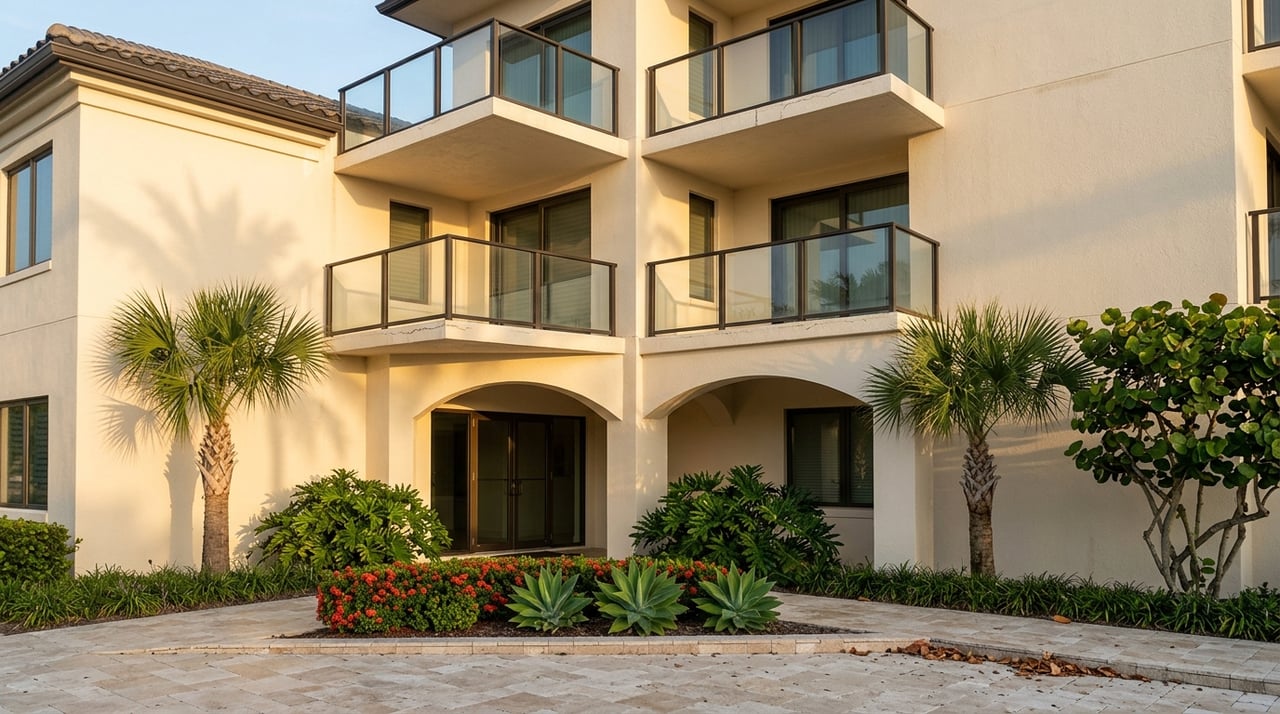
Choosing a condo on Longboat Key or Lido Key can feel simple at first. You tour a beautiful unit, fall for the water view, and start picturing mornings on the balcony. But on Sarasota’s barrier islands, the smartest choice usually comes down to what you cannot see right away. If you want a condo that fits your lifestyle and holds up financially over time, you need to look beyond finishes and ask the right building questions. Let’s dive in.
Start With Your Real Use Case
Before you compare buildings, get clear on how you plan to use the condo. A full-time home, a seasonal escape, and a rental-focused purchase can each point you toward a different building.
That matters because there is no single rental rule for Longboat Key or Lido Key condos. The condo declaration and association rules typically control whether rentals are allowed, how long a lease must be, how often you can rent, and whether board approval is required.
If you may want flexibility later, treat rental policy as part of your exit strategy too. Under Florida law, some rental-related amendments apply to buyers who purchase after the amendment takes effect, so the building’s current rules can shape both your ownership experience and future resale appeal.
Why Coastal Condos Need Extra Scrutiny
Longboat Key is a barrier island in both Sarasota and Manatee counties, and the town maintains beach-nourishment special districts. Lido Beach is also part of an active coastal renourishment effort.
That local context matters because these buildings are part of a high-maintenance coastal environment. On Longboat Key and Lido Key, value is tied not only to location and view, but also to storm exposure, shoreline maintenance, building condition, and how the association plans for long-term capital work.
In other words, you are not just buying a unit. You are buying into a shared coastal asset that may need more ongoing upkeep than a typical inland condo community.
Compare More Than Monthly Fees
It is easy to focus on the HOA fee, but that number alone does not tell you whether a building is a strong value. A lower fee is not automatically better if it reflects deferred maintenance or weak reserve funding.
In Florida condo communities, the annual budget and reserve plan help show whether the association is paying for current operations, major future repairs, or both. In coastal buildings, costs related to roofs, waterproofing, balconies, windows, and insurance deductibles can have a big effect on what you may pay later.
A better comparison looks at your true monthly carrying cost, including:
- Condo dues
- Your likely unit-owner insurance costs
- Flood insurance questions
- Deductible exposure
- Any signs of future or pending assessments
A condo that looks cheaper on paper may end up costing more over five years if the building has postponed major work.
Review the Right Condo Documents
One of the most important steps is getting the full document package before you get emotionally attached to a unit. In Florida, buyers are entitled to current copies of key condominium documents before closing.
Those records can tell you far more than the listing description. They can reveal how the building is run, whether major repairs are being planned, and whether the rules match your goals.
Here are the documents you should review carefully:
- Declaration
- Articles and bylaws
- Rules and regulations
- Annual financial statement
- Annual budget
- Most recent milestone-inspection summary, if applicable
- Most recent structural integrity reserve study, or a statement that none has been completed
- Turnover inspection report, if applicable
- FAQ document
- Governance form
Florida’s DBPR also says structural inspection reports and reserve studies are part of the official records and must be available to potential purchasers.
Understand Reserve Studies and Inspections
For many Longboat Key and Lido Key condos, reserve and inspection records are now central to buyer due diligence. Florida law requires a structural integrity reserve study at least every 10 years for residential condominium buildings that are three habitable stories or higher.
That study covers major items such as the roof, structure, fire protection, plumbing, electrical systems, waterproofing and exterior painting, windows and exterior doors, plus other high-cost items tied to structural condition. On coastal properties, the local enforcement agency can require the first milestone inspection at 25 years if salt-water proximity justifies it, even though the statewide default is 30 years.
This is especially important in older coastal buildings. If a condo association has completed the reserve study, that does not automatically mean reserves are fully funded. According to DBPR, the study establishes the funding plan, so you need to review both the study and the current budget together.
For budgets adopted on or after December 31, 2024, associations subject to these structural reserve rules may not waive or reduce reserves for the required structural items. That means some buildings may still face rising dues, loans, or special assessments as they catch up on needed funding.
Pay Attention to Building Age and Condition
Older coastal condos can be wonderful places to own, but they deserve close review. Age can signal when major components may need repair or replacement, including roofs, elevators, waterproofing, balconies, parking structures, and windows.
If the building is three stories or higher, ask whether the milestone inspection has been completed and whether the structural reserve study is current. If the building is under three stories, some of those statutory requirements may not apply, but the budget, maintenance history, and insurance exposure still matter.
When you tour, look beyond the unit itself. Signs of exterior cracking, balcony wear, aging common areas, or visible deferred maintenance may tell you more about future ownership costs than a beautifully updated kitchen.
Read the Insurance Structure Carefully
Insurance is one of the most overlooked parts of condo buying on the keys. Florida law requires condominium associations to maintain adequate property insurance, but that does not mean every loss is fully covered for every owner.
In general, the association policy covers the portions of the building originally installed, plus approved alterations or additions. It usually does not cover many interior items inside the unit, such as flooring, appliances, built-in cabinets, countertops, personal property, and window treatments.
That means you need to understand both the association’s policy and your likely unit-owner policy. You should also review deductibles, because a building can have a low monthly fee and still leave owners exposed to large deductibles or post-storm assessment risk.
Check Flood Risk the Right Way
Flood risk deserves its own checklist on Longboat Key and Lido Key. FEMA notes that most homeowners insurance does not cover flood damage, and flood insurance is a separate policy.
If a property is in a FEMA high-risk flood zone such as Zone A or Zone V, flood insurance is required when the mortgage is federally backed. Flood insurance may still be available and worth reviewing even outside those higher-risk zones.
Just as important, ask what the association’s flood policy covers and what it does not. For a barrier-island condo, flood-zone status and flood coverage are part of the real cost of ownership, not a side issue.
Make the Rental Rules Work for You
Many buyers want at least some flexibility to rent their condo in the future, even if they do not plan to do it right away. That is why the declaration matters as much as the view.
The practical questions are simple:
- Can you rent the unit at all?
- What is the minimum lease term?
- How many times per year can you rent it?
- Is board approval required?
- Are there guest or pet restrictions that could affect your use?
These answers are usually found in the declaration, rules, and budget package, not in the marketing remarks. If rental flexibility matters to you, verify the policy before making an offer.
Tour the Building Like an Owner
When you visit a condo, think like someone who will share responsibility for the whole property. The common elements matter just as much as the interior finishes.
Pay attention to roof condition, exterior maintenance, elevator age, parking areas, storm-hardening features, balcony condition, and general signs of upkeep. On Longboat Key and Lido Key, shoreline condition and any connection to beach management or coastal engineering projects can also affect access, appearance, and future costs.
The goal is not to find a perfect building. It is to find a building with transparent finances, clear rules, and a realistic plan for maintaining a coastal property over time.
A Simple Condo Comparison Framework
If you are comparing several options, use the same decision process for each one. That makes it easier to separate a great view from a great long-term fit.
Here is a practical framework:
- Define whether the condo is for primary use, seasonal use, or future rental use.
- Request the full association document package early.
- Compare the full monthly carrying cost, not just dues.
- Confirm inspection status and reserve-study status for buildings that are three stories or higher.
- Review rental rules with your future plans in mind.
- Read the insurance structure, flood exposure, and deductible details carefully.
- Inspect the common elements for signs of deferred maintenance.
In many cases, the best condo is not the one with the flashiest interior. It is the one with the clearest financial picture, the strongest maintenance posture, and rules that truly match how you want to own the property.
Buying on the keys should feel exciting, but it should also feel informed. If you want experienced guidance as you compare Longboat Key and Lido Key condos, Your Global Agents can help you evaluate the lifestyle fit, document package, and long-term ownership picture with confidence.
FAQs
What documents should you review before buying a Longboat Key or Lido Key condo?
- You should review the declaration, bylaws, rules, annual financial statement, annual budget, the latest structural integrity reserve study, the latest milestone-inspection summary if applicable, and other official association records available to buyers.
Why do condo reserves matter for Longboat Key and Lido Key buyers?
- Reserve funds help cover major future repairs, and on coastal buildings those costs can be significant due to exposure, waterproofing needs, roofs, balconies, windows, and other high-cost building components.
Do all Longboat Key and Lido Key condos allow rentals?
- No. Rental rules vary by association and are usually controlled by the declaration and condo rules, including lease length, rental frequency, and approval requirements.
How does building age affect a condo purchase on Longboat Key or Lido Key?
- Older buildings may be closer to major repair cycles and may also be subject to milestone-inspection and reserve-study requirements if they are three habitable stories or higher.
What insurance questions should condo buyers ask on Longboat Key and Lido Key?
- You should ask what the association policy covers, what your own unit-owner policy would need to cover, whether flood insurance applies, and how large deductibles or storm-related assessments could affect your costs.
Why is flood-zone review important for Longboat Key and Lido Key condos?
- Flood damage is generally not covered by standard homeowners insurance, so flood-zone status and the building’s flood coverage can directly affect both financing requirements and long-term ownership costs.