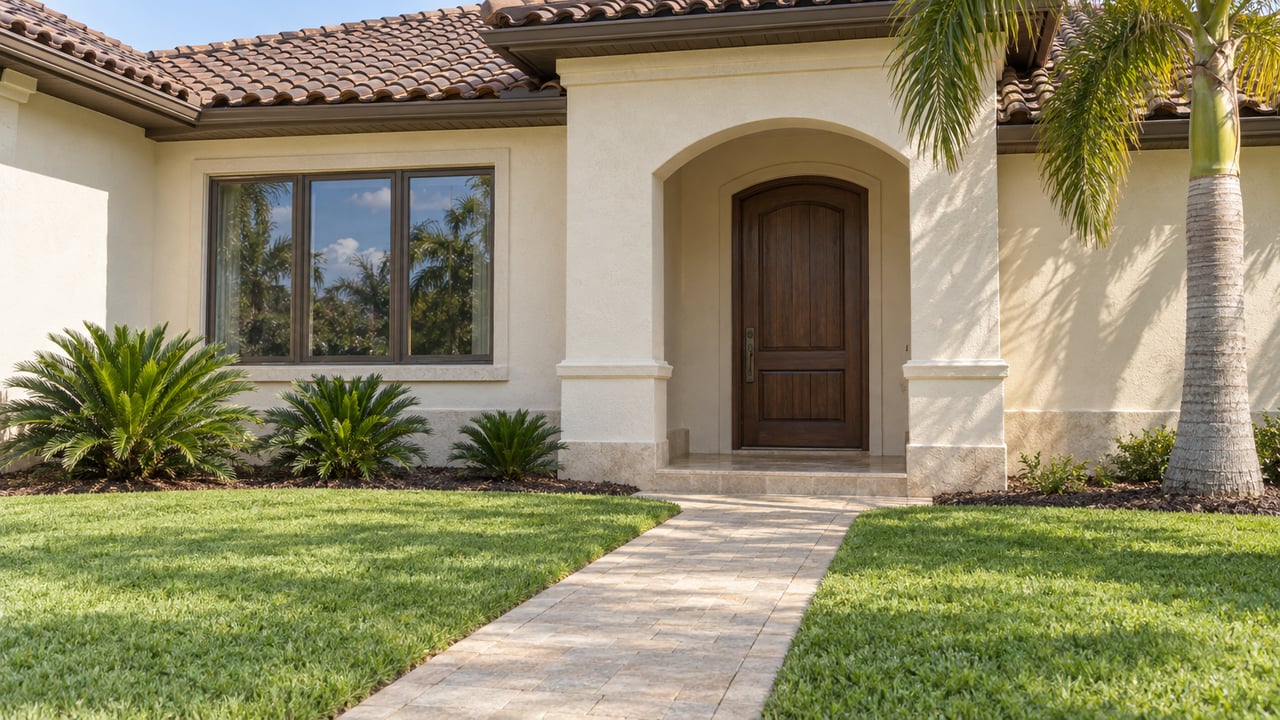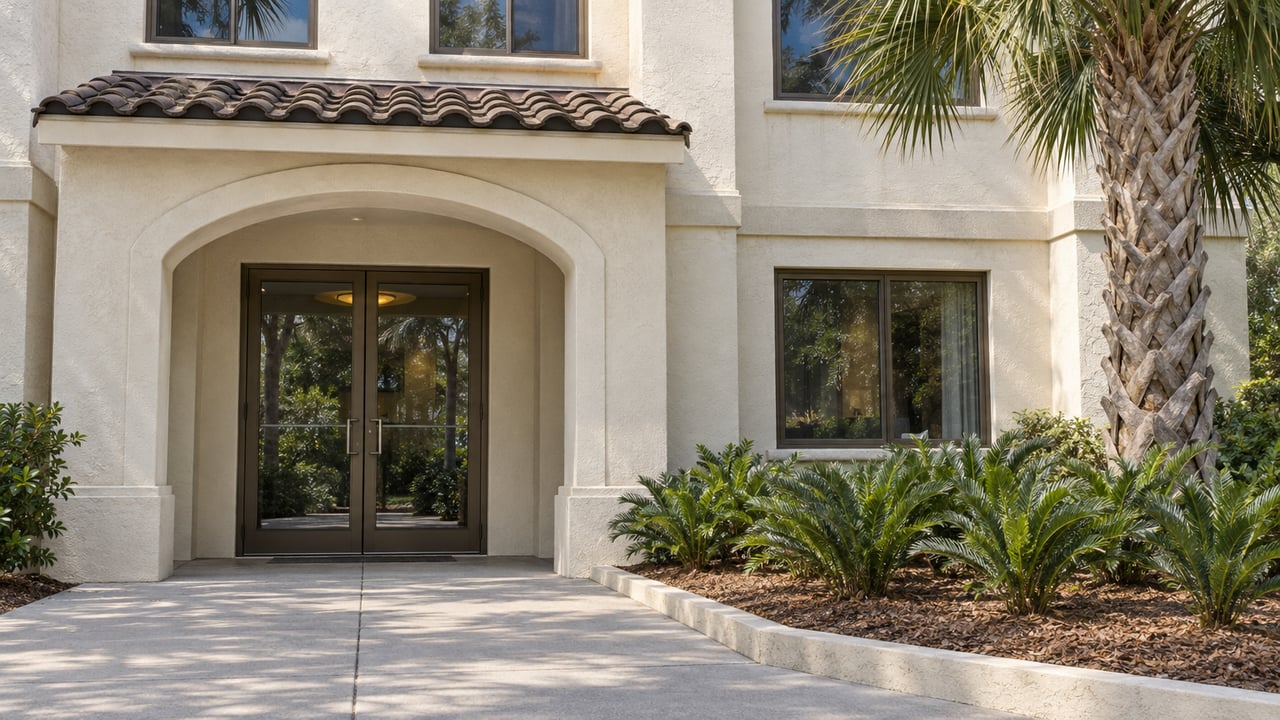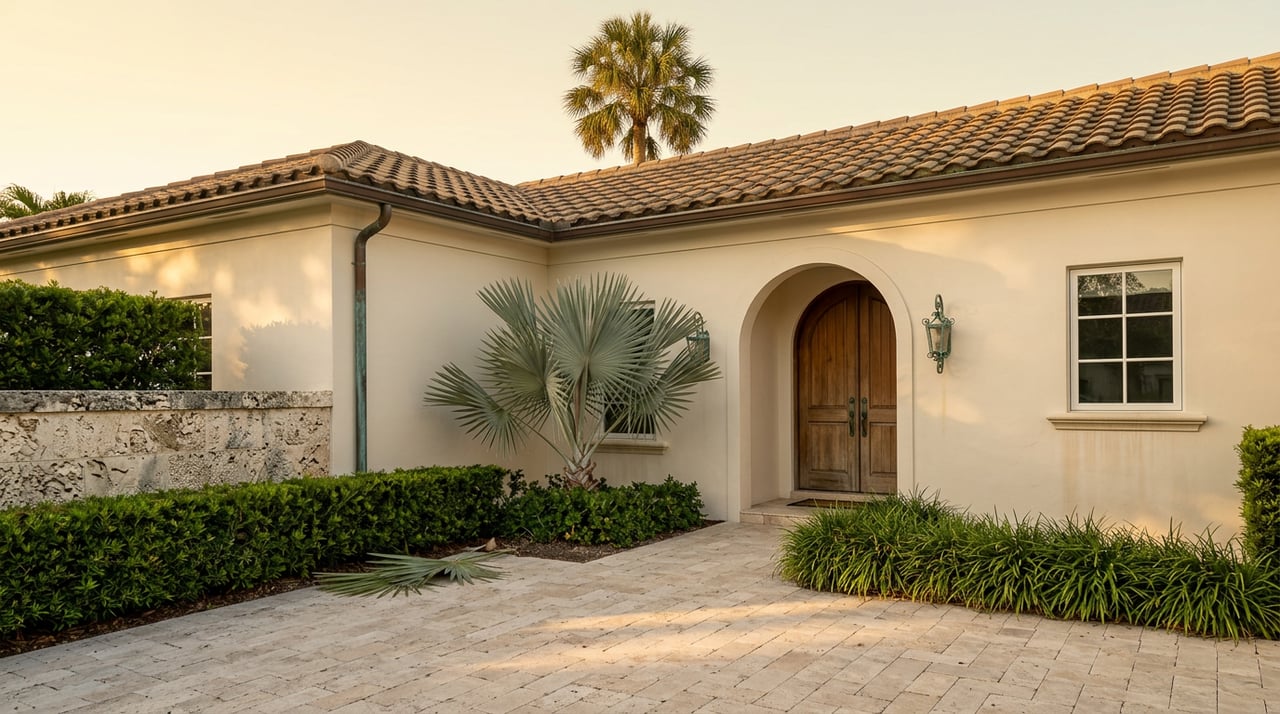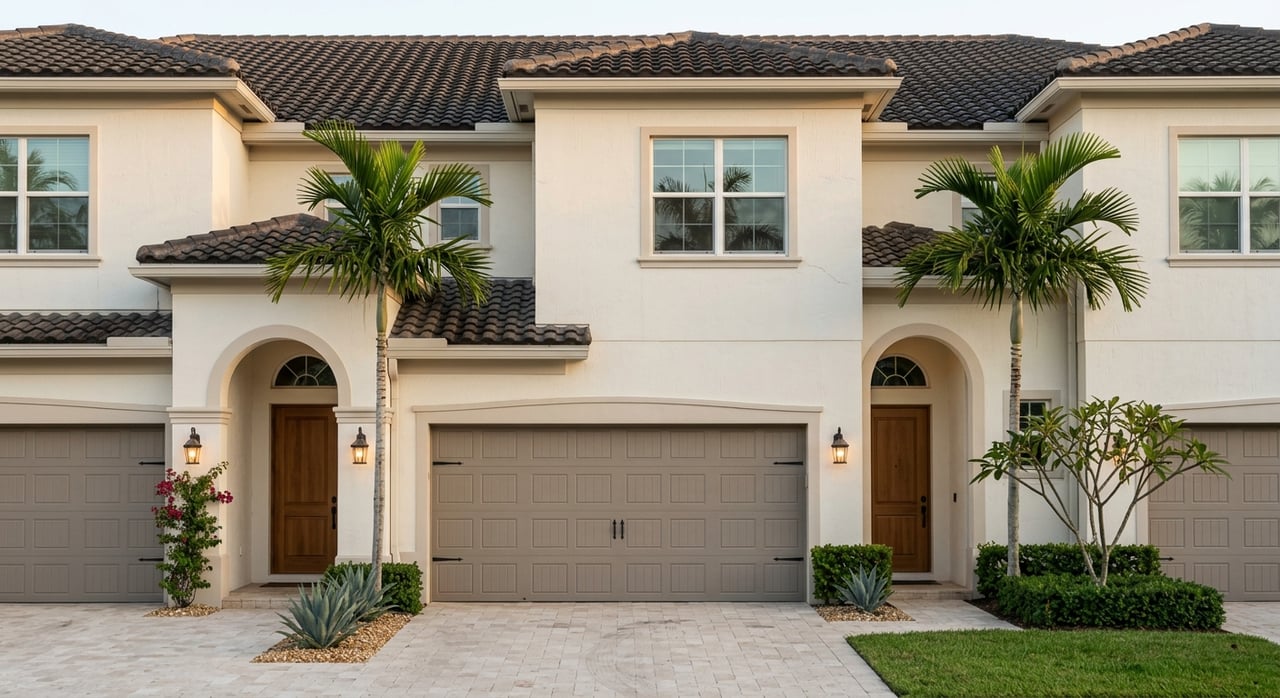
Wondering whether a Venice condo, villa, or single-family home is the right fit for your next move? You are not alone. In a market where many buyers want the right mix of ease, privacy, and predictable costs, understanding how these property types work can make your decision much clearer. This guide breaks down the key differences in Venice, Florida so you can compare ownership, maintenance, fees, and lifestyle with more confidence. Let’s dive in.
Venice Housing at a Glance
Venice is a market with a strong ownership base. According to the U.S. Census Bureau, 80.4% of housing units in Venice are owner-occupied, which is higher than the statewide figure of 67.6% in 2024. During the 2020 to 2024 ACS period, the median value of owner-occupied housing units in Venice was $434,700.
Those numbers help explain why many buyers take time to compare property types carefully. Your monthly costs, maintenance duties, and decision-making control can look very different depending on whether you buy a condo, attached villa, or detached home.
Condos in Venice
A condominium in Florida is a form of real property ownership where you own your unit and also share an undivided interest in the common elements. In plain terms, that usually means your building and shared spaces are governed by a condominium association, while your ownership includes your individual unit.
For many buyers, the biggest appeal of a condo is less exterior upkeep. The association is generally responsible for maintaining the common elements and other condominium property assigned by the declaration. That can make condo living attractive if you want a more maintenance-conscious lifestyle.
What Condo Ownership Usually Means
With a condo, you will usually have monthly association fees and shared governance. You are also part of a system where decisions about maintenance, budgeting, and community operations are handled through the association structure.
Insurance is another point to understand early. Under Florida law, the unit-owner policy generally covers items inside the unit that are excluded from association coverage, including personal property and many interior finishes. That means you should not assume the association’s policy covers everything inside your walls.
Condo Costs to Watch
Monthly dues are only one part of the picture. Buyers should also ask about special assessments, reserve funding, and current building inspections.
Florida now requires structural integrity reserve studies for residential condominiums at least every 10 years for buildings that are three habitable stories or higher. Reserve funding must follow the most recent study. For you as a buyer, that makes the association’s financial planning and building status especially important to review.
Villas in Venice
A villa can sound simple, but in Florida the label does not tell the whole story. An attached villa is best understood as a small attached home, but its true legal structure must be confirmed through the recorded declaration, plat, and title records.
That matters because one Venice villa may function more like an HOA-governed parcel, while another may be set up more like a condo-style product. In other words, the word “villa” alone does not tell you who maintains the roof, exterior walls, landscaping, or other major components.
Why Villas Sit in the Middle
For many buyers, a villa offers a middle ground between condo living and a detached home. You may get a more private, home-like setting than a condo, while still having some shared upkeep or community maintenance.
That said, your actual responsibilities depend on the governing documents. Florida’s HOA rules apply to communities with mandatory membership and lienable assessments, and boards can regulate exterior appearance only to the extent the recorded covenants allow.
What to Confirm Before You Buy a Villa
Before you move forward on a villa, ask for clear answers on the property’s legal setup. You want to know whether you are buying into a condo structure or an HOA parcel because that affects maintenance, insurance, fees, and control over exterior changes.
This is one of the most important points for Venice buyers. A villa may look like the ideal low-maintenance option, but the recorded documents, not the marketing label, define the rules.
Single-Family Homes in Venice
A single-family detached home is generally the most straightforward ownership model. The structure is detached and contains one primary residence, which usually means you own the stand-alone home rather than a unit in a shared building.
For many buyers, detached homes offer the most privacy and the most control. If you want more say over your space and fewer shared walls, a detached home may feel like the most natural fit.
What More Control Also Means
That added control often comes with added responsibility. In practical terms, detached homes usually place more repair, landscaping, roof, and system replacement costs on the homeowner unless the governing documents say otherwise.
Some detached homes are still part of an HOA. In those communities, exterior rules must come from the recorded covenants, and unpaid assessments can become a lien on the parcel. So even when you buy a stand-alone home, it is wise to review any HOA rules carefully.
Comparing Condos, Villas, and Homes
If you are choosing among these three options, maintenance is often the clearest dividing line. Condos usually centralize more exterior and common-area responsibility with the association. Villas and HOA homes often shift more responsibility to the owner, while detached homes usually place the most responsibility on you unless community documents state otherwise.
Lifestyle also tends to move in the opposite direction from shared services. Condos often offer more bundled amenities and less privacy. Detached homes usually offer more privacy and more control. Villas often fall somewhere in between.
| Property Type | Typical Maintenance Setup | Privacy Level | Shared Governance | Key Buyer Question |
|---|---|---|---|---|
| Condo | More handled by association | Lower | Higher | What does the association cover inside and outside the unit? |
| Attached Villa | Mixed, depends on documents | Medium | Medium | Is this legally a condo or an HOA parcel? |
| Single-Family Home | More handled by owner | Higher | Varies | Are there HOA rules or assessments tied to the property? |
Venice Costs Beyond the Price Tag
When buyers compare homes, they often focus first on list price or mortgage payment. In Venice, it is just as important to look at the full ownership picture.
The U.S. Census Bureau reports median monthly owner costs of $2,238 for mortgaged owners and $917 for owners without a mortgage in Venice. While your actual costs will depend on your property and financing, those figures are a helpful reminder that ongoing ownership costs matter.
Fees, Reserves, and Insurance
For condos, monthly fees and reserve funding deserve close attention. Special assessments can affect your total cost of ownership, and condo insurance works differently from what many buyers expect because unit-owner policies generally cover many interior items and personal property not covered by the association.
Florida law also requires at least $2,000 of loss-assessment coverage on qualifying residential condominium policies. For HOA communities, assessments can become liens if unpaid, so understanding the budget and fee structure is just as important there.
Four Smart Questions for Venice Buyers
In Venice, one of the best ways to avoid surprises is to look past the listing description and ask clear, practical questions. This is especially helpful when comparing villas and condos, where responsibilities are not always obvious at first glance.
Here are four questions worth asking on any property tour or during due diligence:
- Is the property legally a condo or an HOA parcel?
- Who handles the roof, exterior walls, landscaping, and hurricane protection?
- Are reserves and inspections current?
- What monthly fees, special assessments, and insurance obligations come with the property?
These questions matter because Florida condo associations follow structural-integrity reserve study rules, while HOA communities rely more on recorded covenants, budgets, and assessment authority to define maintenance obligations.
Which Venice Housing Option Fits You Best?
If you want simpler exterior maintenance and do not mind shared governance, a condo may be the best fit. If you want a more home-like feel with some shared upkeep, a villa may offer the balance you are looking for. If privacy and control matter most, a detached home may be your strongest match.
The right answer depends on how you want to live, not just what you want to buy. Your ideal choice should support your day-to-day routine, your comfort with maintenance, and your budget for both regular and unexpected costs.
In a market like Venice, where ownership is a major part of the local housing picture, it pays to compare the details before you commit. If you want clear guidance on Venice condos, villas, or single-family homes, Your Global Agents can help you evaluate your options with a thoughtful, education-first approach.
FAQs
What is the main difference between a Venice condo and a Venice villa?
- A Venice condo is a condominium form of ownership with shared common elements, while a Venice villa may be structured as either an HOA parcel or a condo-style property, so the recorded documents must be reviewed to confirm responsibilities.
What maintenance should you expect with a Venice single-family home?
- A Venice single-family detached home usually gives you more privacy and control, but it also typically places more responsibility on you for repairs, landscaping, roofing, and major systems unless HOA documents say otherwise.
Why should Venice condo buyers review reserves and inspections?
- Venice condo buyers should review reserves and inspections because Florida requires structural integrity reserve studies at least every 10 years for certain residential condominium buildings, and reserve funding must follow the most recent study.
Do Venice villas always include low-maintenance living?
- No. A Venice villa may offer some shared upkeep, but the actual maintenance obligations depend on whether the property is legally structured as a condo or an HOA parcel and what the governing documents say.
What costs should you review before buying a Venice condo, villa, or home?
- You should review monthly fees, special assessments, reserve funding, insurance obligations, and who is responsible for major items like the roof, exterior walls, landscaping, and hurricane protection.