Thinking about low-maintenance living in Palmer Ranch but not sure whether an HOA home or a condo fits you best? You are not alone. Many Sarasota buyers, especially downsizers and seasonal residents, compare these options for lifestyle, cost, and peace of mind. In this guide, you will learn how ownership, fees, insurance, rules, and financing differ, so you can choose with confidence. Let’s dive in.
Palmer Ranch overview
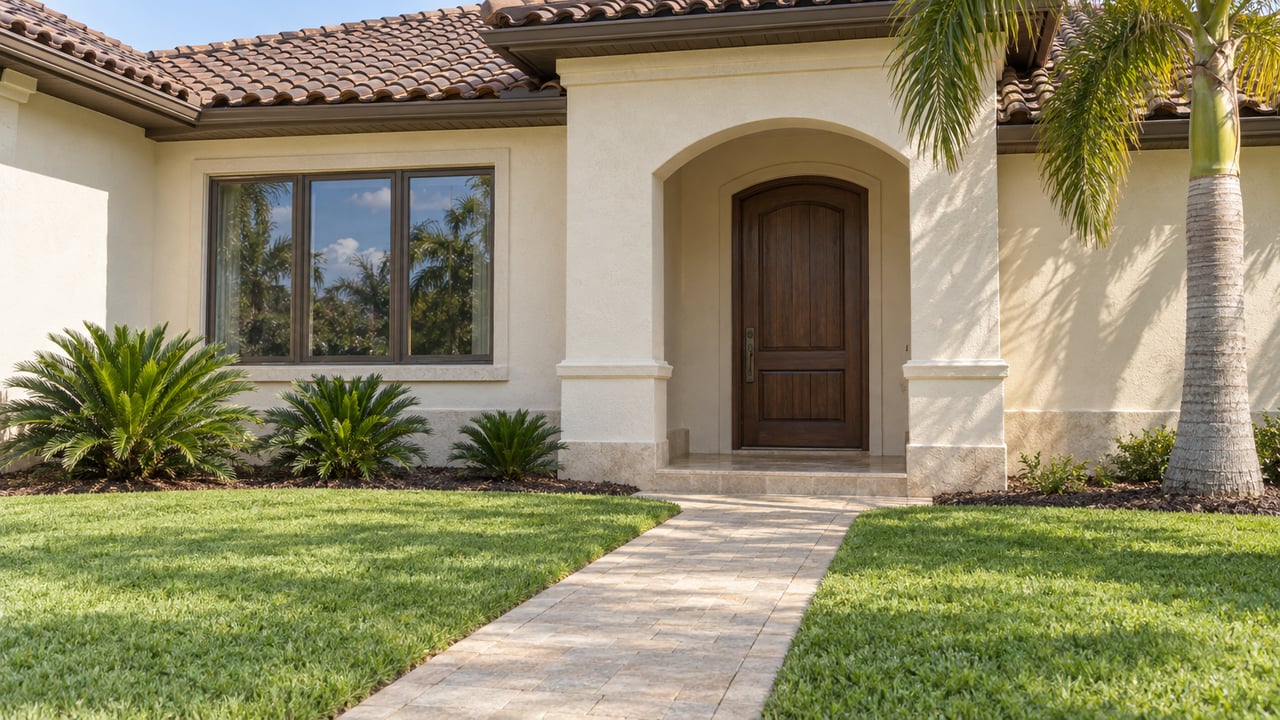
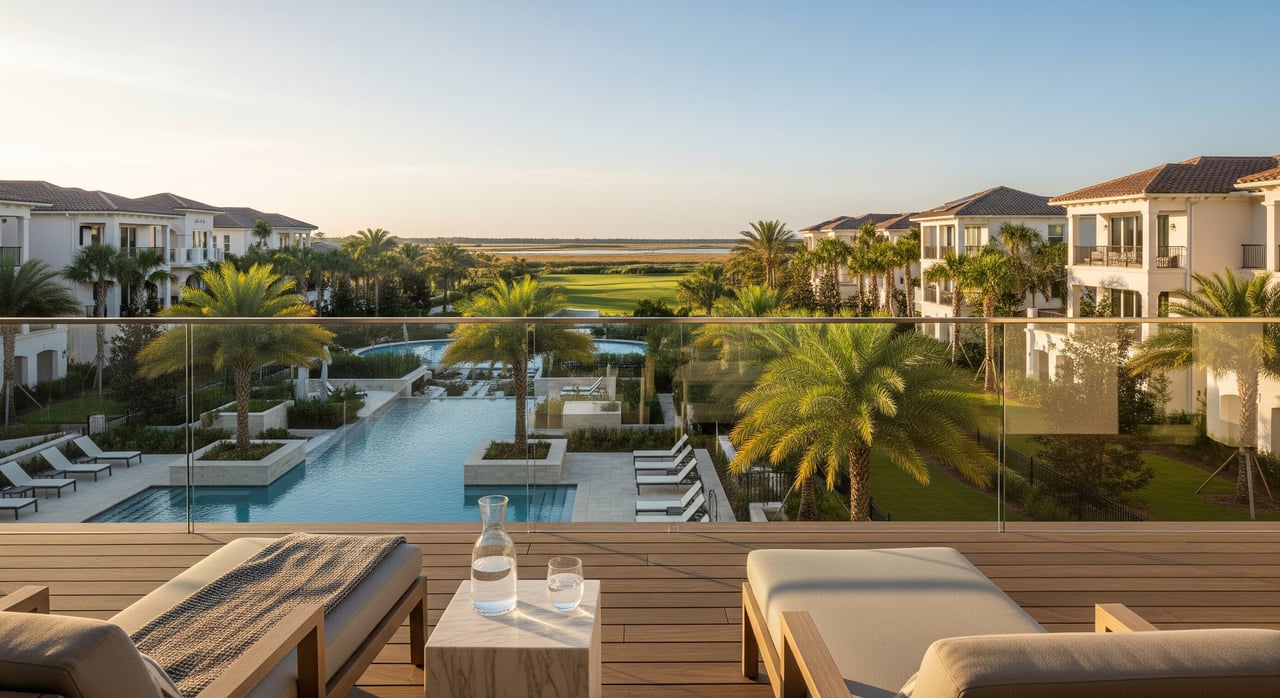
Palmer Ranch is a large master-planned community in Sarasota County with many neighborhoods and property types. You will find single-family homes, attached villas, carriage homes, and condominium communities. Some areas are gated and many offer shared amenities like pools, fitness centers, and trails.
Because Palmer Ranch is a collection of subdivisions, a property may have more than one association. For example, a neighborhood might have its own HOA or condo association plus a master association that manages community-wide elements. Knowing which entity maintains which items helps you plan costs and expectations.
Ownership basics
HOA homes and villas
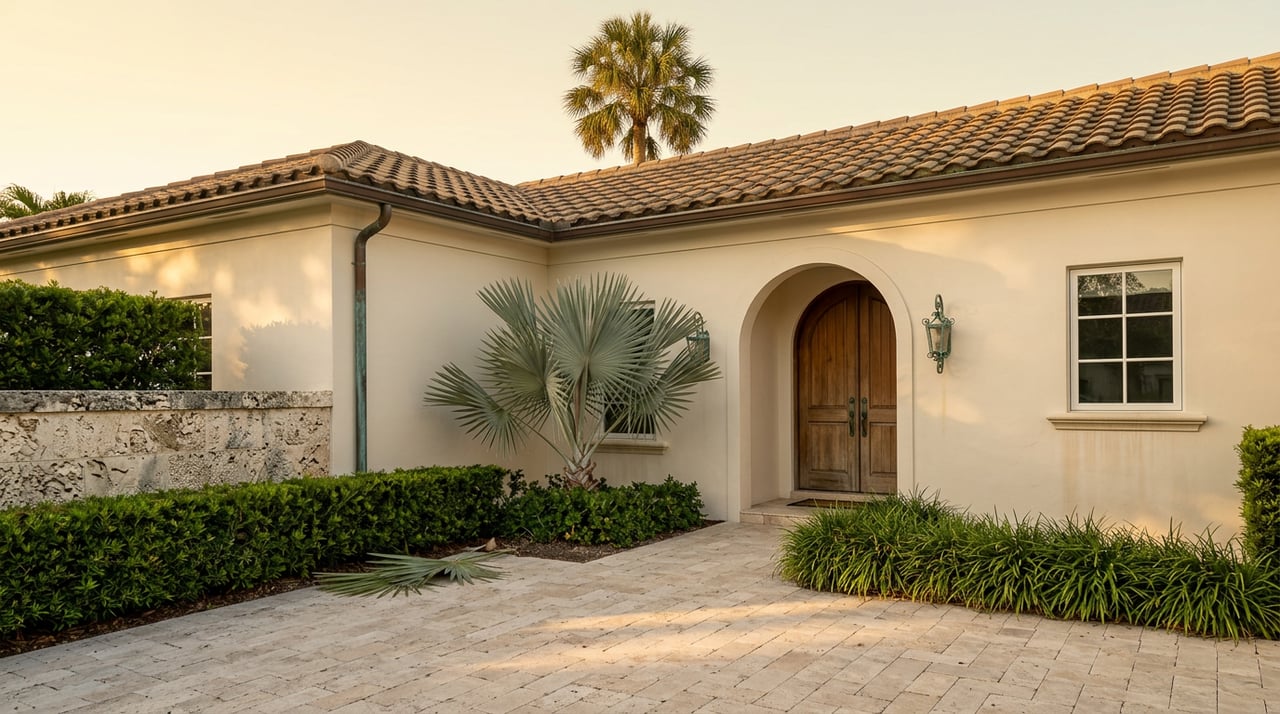
Most single-family homes and many villas in Palmer Ranch are governed by a homeowners’ association under Florida Statutes Chapter 720. You typically own the lot and the home, including the exterior, subject to covenants, conditions, and restrictions. Common areas such as entrances, landscaping, and private roads are owned or maintained by the HOA or a master association. Architectural rules guide exterior changes like paint colors, roof materials, and fences.
Condominium ownership
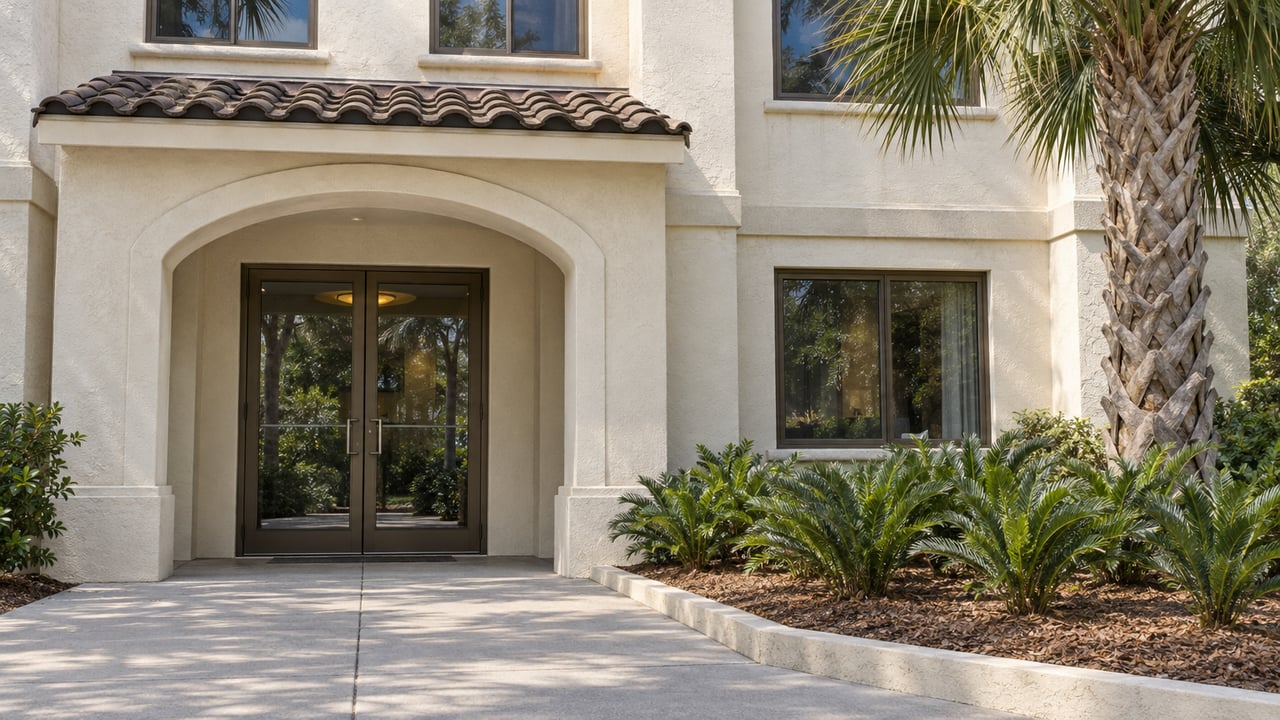
Condominiums are governed by the Florida Condominium Act under Chapter 718. You own a specific unit, often defined as the interior finished space, plus an undivided interest in the common elements like the roof, exterior, elevators, corridors, and pool. The association manages or owns the common elements and is responsible for building-level maintenance based on the governing documents and master insurance policy.
What to read before an offer
Before you write an offer, plan to review key association materials. Focus on the declaration, bylaws, articles of incorporation, and rules and regulations. Ask for budgets, financial statements, reserve studies, and the insurance certificate for the master policy. If there is a master association, confirm its fee, responsibilities, and any planned projects.
Maintenance and insurance
Who fixes what
HOA single-family and villas:
- You usually handle the structure, roof, exterior walls, driveway, and your lot’s landscaping, unless the HOA provides certain services in a villa community.
- The HOA typically maintains common areas, private streets, and shared amenities.
- You have more control over your dwelling but more responsibility for repairs.
Condominiums:
- The association typically maintains the building exterior, roof, structural elements, elevators, corridors, and exterior landscaping and pools.
- You handle interior finishes and components as defined by the unit boundaries in the condo documents.
- You have less day-to-day maintenance but more reliance on the association’s planning and reserves.
Insurance differences
- Condominiums usually carry a master policy that covers common elements and often the building structure to a defined extent. You purchase an HO-6 policy to insure your interior improvements and personal property, plus consider loss assessment coverage.
- HOA single-family and villa owners typically carry an HO-3 policy that covers the dwelling, contents, liability, and loss of use. The HOA’s policy usually covers only shared common areas.
- Sarasota County is hurricane prone. Windstorm coverage and hurricane deductibles matter for both condos and homes. Flood insurance is separate from homeowners or condo policies. If the property is in a flood zone per FEMA mapping, a lender may require flood insurance.
Fees, reserves, and assessments
- Condos often have higher monthly fees because they fund building-level maintenance, elevator and mechanical systems, exterior painting and roofing cycles, and reserves.
- HOAs for single-family homes may have lower dues if there are fewer shared elements. Amenities like gated security, golf, and staffed facilities can increase any association’s fees.
- Healthy reserves matter. Adequate reserves reduce the likelihood of special assessments, while underfunded reserves increase that risk. Both HOAs and condo associations can levy special assessments to cover large or unexpected repairs. Review reserve studies, budgets, and any recent assessment history.
Lifestyle and amenities
Maintenance convenience
If you want true lock-and-leave living, condos often offer the lowest personal maintenance burden. The association handles exterior and common-area maintenance. Villas in certain HOA communities can feel similar if landscaping and exterior care are included, but owners usually still handle some elements of the dwelling.
Privacy, noise, and space
Single-family homes and many villas generally provide more privacy and outdoor space. Condos share walls, floors, or ceilings, which can increase potential for noise. Building design, construction quality, and quiet hours policies can make a big difference.
Pets, parking, and storage
Associations set pet policies, including number or size limits. Condos often have more restrictive pet rules. Parking and storage also vary. Condos may offer assigned or garage parking with stricter guest parking rules, while single-family homes typically have private driveways and garages.
Typical Palmer Ranch amenities
Many Palmer Ranch communities offer pools, fitness centers, walking trails, clubs, and gated entries. Some areas offer golf or enhanced recreational facilities. Amenity level affects both lifestyle and monthly costs, so match your must-haves to your budget.
Rentals and short-term stays
Rental rules vary by association. You might find minimum lease terms or caps on how many units can be rented at a time. Short-term rental policies can be restricted by both the association and local rules. Palmer Ranch properties can fall in different jurisdictions, so confirm the local rules and the association’s lease terms if renting is part of your plan.
Financing and resale
Condo project approval
Lenders often evaluate a condominium’s project eligibility, including owner-occupancy ratios, reserve funding, arrears, litigation, and single-entity ownership. Some condo communities do not meet certain loan program guidelines. FHA and VA loans have their own approval requirements. If you need a specific loan type, verify the condo’s eligibility early to avoid surprises.
HOA single-family and villas
Financing a single-family home in an HOA is often more straightforward. Lenders focus primarily on you as the borrower and the property’s appraisal, rather than the broader project eligibility that applies to condos.
Resale considerations
Condos often appeal to retirees, second-home buyers, and some investors if rentals are allowed. High fees or a history of large assessments can narrow the buyer pool. For HOA single-family and villas, single-level layouts, private space, and low-maintenance features can be attractive to downsizers. Across both types, building age, condition, parking and storage, and association financial health influence marketability and time on market.
Risk checks you should run
- Review any pending or recent litigation, which can deter lenders and signal future costs.
- Evaluate deferred maintenance and reserve adequacy, which are key indicators of future assessments.
- Consider insurance availability and premium trends in Florida. Coastal regions can see higher costs and changing carrier options that affect both personal and association policies.
- Confirm flood hazard and elevation. Properties in certain flood zones may require flood insurance and face higher premiums.
Quick comparison checklist
Use this list to compare a specific HOA home or villa to a specific condo in Palmer Ranch. Ask the listing agent or association for documents where noted.
HOA single-family or villa
- Monthly dues and what they include, especially landscaping and exterior services
- Your insurance needs: typical HO-3 plus confirm if flood is required
- Roof and exterior responsibility, plus any neighborhood rules on materials and paint
- Reserve funding and any special assessment history in the last 5 to 10 years
- Pet, parking, and exterior modification rules
- Privacy and outdoor space needs
- Financing plans and expected lender requirements
Condominium
- Monthly dues and what they include, especially building insurance and reserves
- Your insurance needs: HO-6 with loss assessment coverage, plus flood if required
- Recent and planned capital projects: roofs, painting, elevators, and building systems
- Reserve adequacy and special assessment history
- Rental policy: minimum lease term, number of leases per year, and caps
- Parking and storage availability, including guest parking rules
- Project approval status for your loan type and overall lender acceptance
How to choose in Palmer Ranch
Start with your lifestyle goals. If you want the least personal maintenance, frequently travel, or prefer an elevator building, a condo may be the best fit. If you value a private garage, a bit of yard, and more control over your exterior, an HOA single-family home or villa may suit you better.
Next, get precise on costs. Compare dues side by side, then add your expected insurance, utilities, and maintenance responsibilities. For condos, look closely at reserves, capital plans, and assessment history. For HOA homes and villas, confirm what the HOA maintains and the age and condition of big-ticket items like the roof.
Finally, map your financing and resale plans. If you need FHA or VA financing, confirm condo project approval early. If rental ability matters, check both the association and local rules. No matter which path you choose, a careful document review can protect your budget and support long-term satisfaction.
As a boutique Sarasota team with deep Palmer Ranch knowledge and international credentials, we help you read between the lines of association documents, compare true costs, and plan for financing and resale. When you are ready, let’s talk through options that fit your lifestyle and budget.
Ready to compare HOA and condo options in Palmer Ranch side by side? Request a Complimentary Consultation & Market Valuation with Your Global Agents.
FAQs
What is the main ownership difference between an HOA home and a condo in Palmer Ranch?
- In an HOA, you own the lot and home and follow HOA covenants. In a condo, you own a unit and share ownership of common elements managed by the association.
How do condo and HOA fees in Palmer Ranch typically compare?
- Condos often have higher monthly fees because they fund building maintenance, reserves, and shared systems. HOA dues may be lower unless the community is amenity rich.
What insurance do I need for a Palmer Ranch condo vs an HOA home?
- Condo owners usually carry an HO-6 policy plus consider loss assessment coverage, while the association carries a master policy. HOA homeowners typically carry an HO-3 policy. Flood insurance is separate for both if required.
Who pays for the roof in Palmer Ranch communities?
- In many condos, the association is responsible for the roof. In HOA single-family homes, the owner usually pays, unless a villa community’s documents state the HOA maintains roofs.
Can I use short-term rentals in Palmer Ranch?
- It depends on both local rules and the association’s documents. Many associations restrict short-term rentals and set minimum lease terms. Confirm specifics before you buy.
How does financing differ for condos in Palmer Ranch?
- Lenders review condo project eligibility, which can affect loan availability and terms. FHA and VA loans have separate approval requirements. Single-family HOA homes usually involve fewer project-level hurdles.