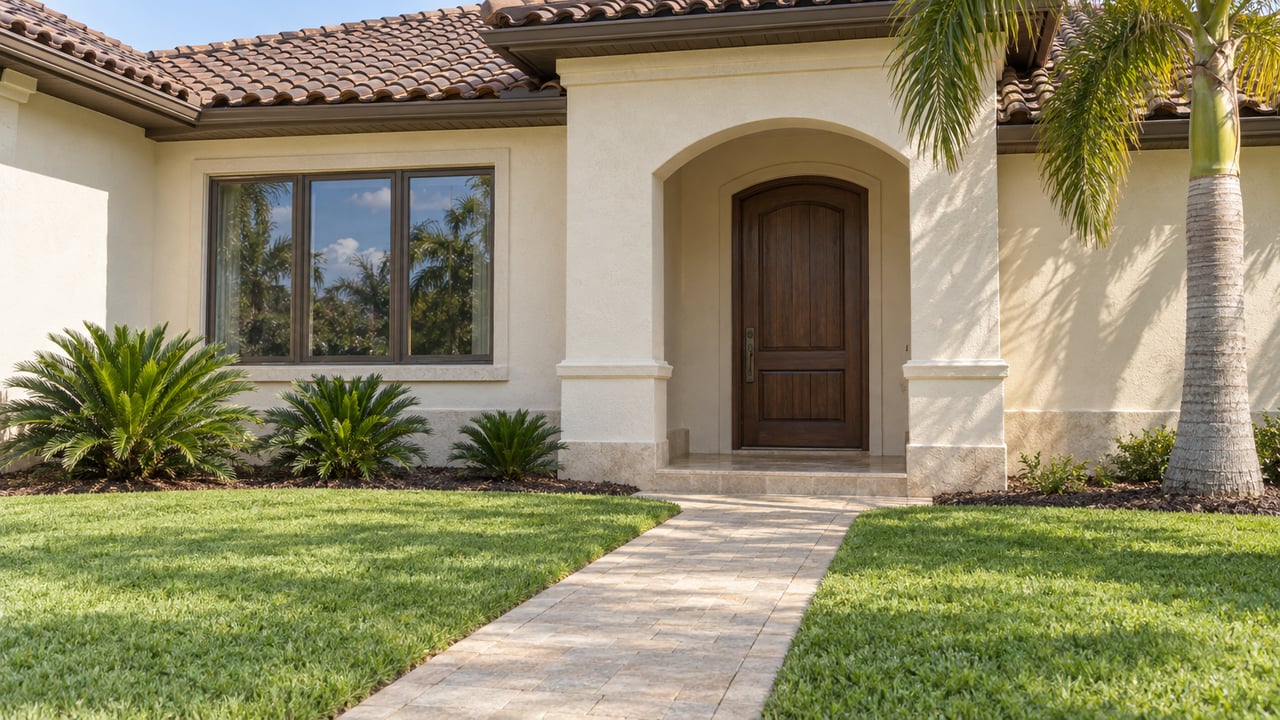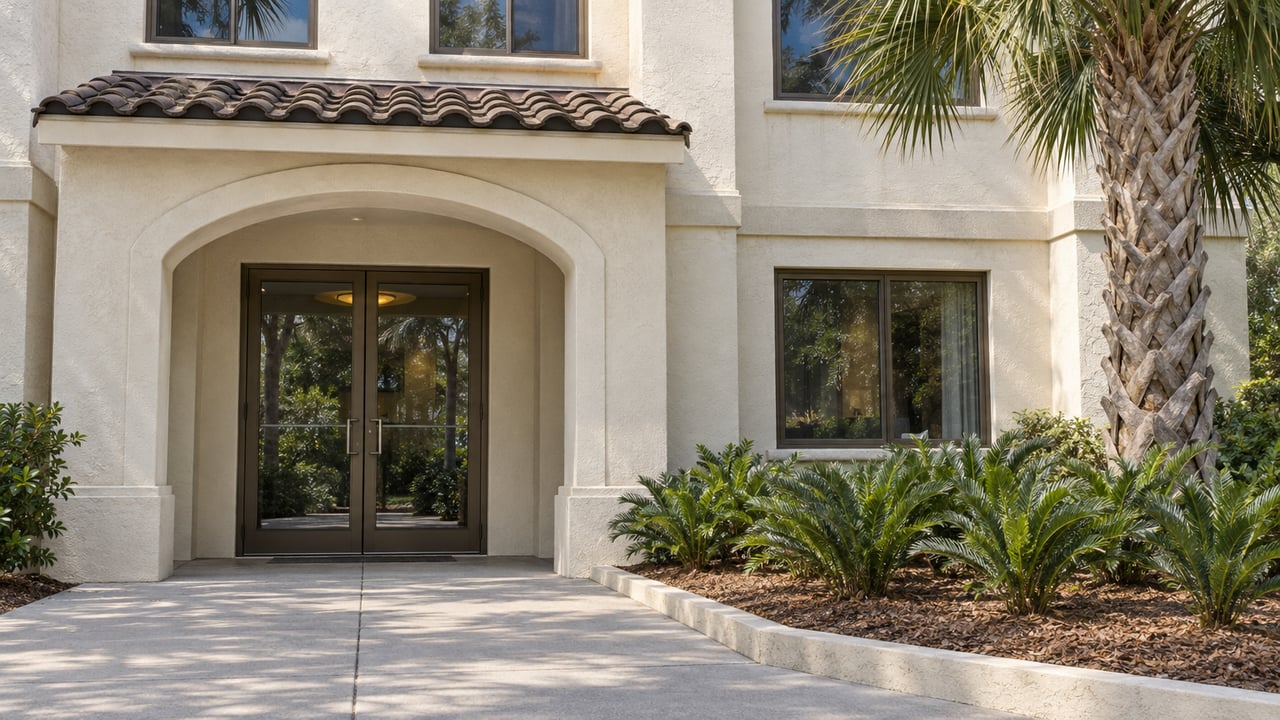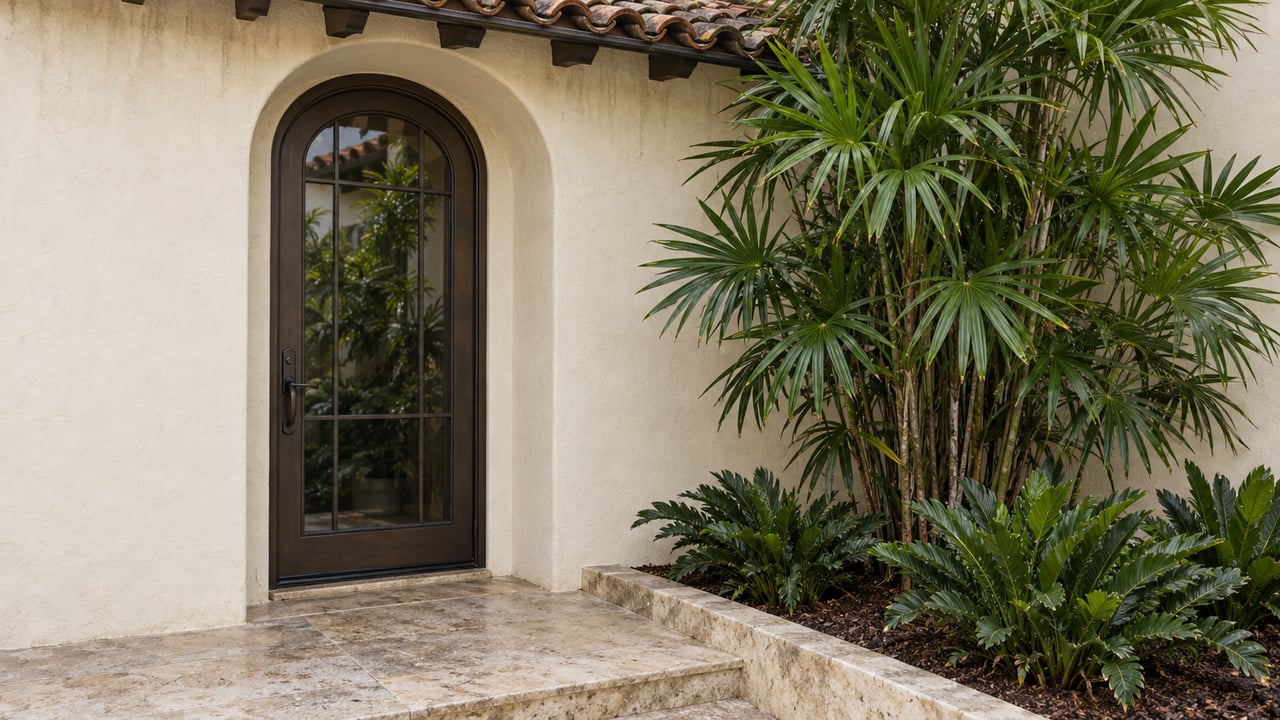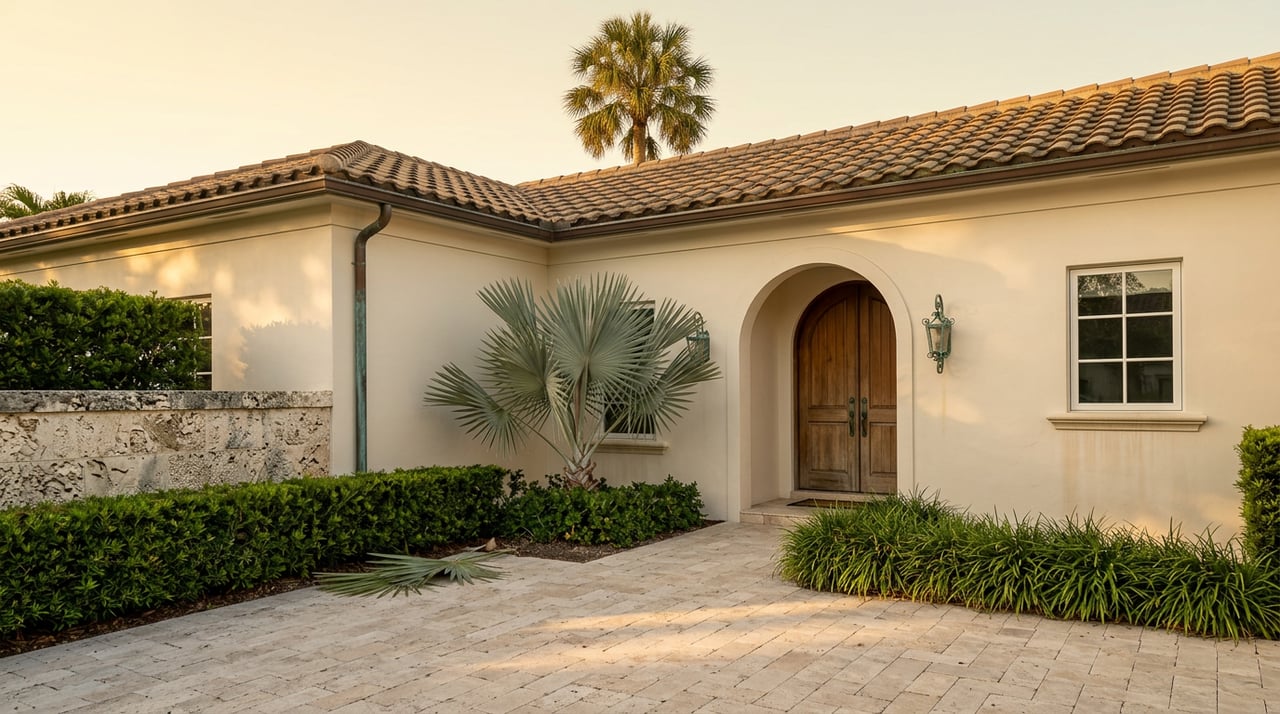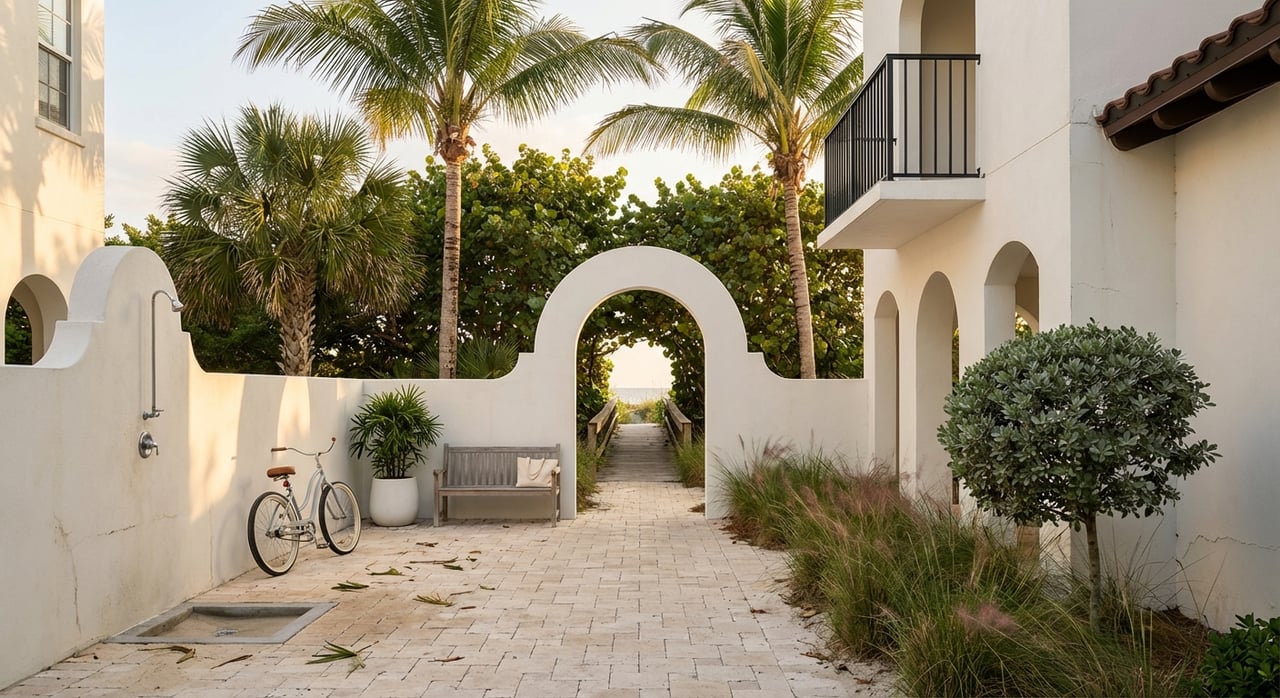
What does an ordinary day look like when your home is a condo on Longboat Key or Lido Key? Picture soft‑sand walks at sunrise, a coffee run that takes you past palm trees and blue water, and errands that wrap up before an easy afternoon by the pool. If you are weighing a second home, a retirement move, or an investment condo, you want to know how life actually works here. In this guide, you’ll see what daily routines feel like, how you’ll get around, what amenities to expect, and which rules and risks to check before you buy. Let’s dive in.
Longboat vs. Lido at a glance
Longboat Key and Lido Key are Gulf‑front barrier islands just west of Sarasota. Longboat runs north to south with the Gulf on one side and the bay on the other, while Lido sits next to downtown Sarasota with quick access to St. Armands Circle. Both islands offer a mix of low‑rise and high‑rise condos, plus a few resort settings.
Longboat Key is an incorporated town that spans two counties. The north end is in Manatee County and the south end is in Sarasota County, so some services and processes can differ by address. Lido Key is served by the City of Sarasota and Sarasota County systems. Year‑round resident counts are modest on both islands, with many owners using condos seasonally or as second homes.
Where you’ll spend your mornings
For many condo owners, mornings start on the sand. Longboat Key maintains multiple public beach access points along Gulf of Mexico Drive, and many buildings have deeded or private walkovers. You can review access options and current conditions on the town’s beaches and visitor information page.
On Lido Key, Lido Beach Park is the main public beach with lifeguards, restrooms, and a pavilion. North and South Lido offer quieter stretches, nature trails, and sheltered water for paddling. In peak winter months, expect more activity on the shoreline; in summer and early fall, the beaches feel relaxed and open.
Getting around the islands
Your main routes are simple. Gulf of Mexico Drive is Longboat’s spine, and the John Ringling Causeway connects Lido to downtown Sarasota. Many residents still rely on a personal car, but trolley options help, especially for Lido and St. Armands errands. The BayRunner and county shuttles reduce the need to drive on busy days. For parking and trolley details, check these beach parking and transit tips.
Guest parking varies by building. Most condos provide one assigned space per unit, with visitor spots or street parking for guests. Plan ahead during high season when lots and bridges are busier.
Condo amenities and building life
You’ll find the coastal comforts you expect: gulf‑front pools, secure entry, elevators, fitness rooms, and social lounges. Some communities add tennis or pickleball courts, boat slips, or marina access. Higher‑end properties may offer spa services, multiple pools, and private beach clubs.
The building culture is friendly and low‑key. Weekly coffee meetups, card groups, and book clubs are common. Many owners structure their day around a gym session, a swim, and afternoon time with neighbors. In winter, the social calendar fills up. In summer, life slows and you’ll often have the pool almost to yourself.
Food, shopping, and daily errands
If you love to walk for dinner or a browse, Lido Key shines. St. Armands Circle puts dining and boutique shopping a short walk from many condos. Explore restaurant menus and events at St. Armands Circle.
On Longboat Key, everyday errands are easy. The island’s Publix and essential services cluster at the Shoppes of Bay Isles, while broader retail and medical offices sit just across the bridges in Sarasota and Bradenton. Many owners plan a single mainland run each week for appointments and larger shopping trips.
Health care and peace of mind
Major hospitals and specialized care are on the mainland. Many residents use Sarasota Memorial Hospital, about a 20 to 30 minute drive depending on traffic and bridge timing. You can review facility details for Sarasota Memorial Hospital. Urgent care and specialty offices often have nearby satellite locations, which helps for simple visits.
Seasons shape the daily rhythm
Peak season runs roughly November through April, with the busiest stretch in January to March. Expect more traffic, longer waits at popular restaurants, and fuller social calendars. Summer and early fall are quieter, with roomier beaches and easier parking. Your lifestyle can flex with the calendar: make reservations in winter, and enjoy spontaneous outings in August.
What condos cost today
These are premium coastal markets. Recent snapshots show Longboat Key’s median list prices around the low seven figures as of late 2025, with Lido Key often similar or higher for renovated or waterfront buildings. Prices vary widely by location and view. Smaller, older one‑bedroom units can be entry points for second‑home buyers, mid‑tier two to three‑bedroom condos offer more space and amenities, and luxury and resort residences command multi‑million‑dollar prices. Your exact range will depend on the building, floor height, renovation level, views, and rental capability.
After storms: what to expect
Hurricanes in 2024, including Helene and Milton, brought flooding and damage across the barrier islands. Recovery and permitting surged in 2025 and beyond, and some areas have been in active repair. Local reporting covers rebuilding trends and timelines, such as this Your Observer update on permitting increases as residents rebuild. Beach renourishment is an ongoing effort on these islands. During projects, walkovers or sections of beach may close temporarily.
Quick answers to top questions
- How close is the beach? Many buildings sit directly on the Gulf or have deeded access across Gulf of Mexico Drive. Public options vary by access point. Review current access and conditions on Longboat’s beach information page and ask about private walkovers for specific buildings.
- Can you rent your condo? Rules differ by address and building. Longboat Key generally requires a minimum 30‑day stay in residential zones and registration for rentals under six months. The City of Sarasota runs a separate program with a 7‑day minimum in many zones, and it exempts most condominiums from registration, but HOAs may be stricter. See the links in the checklist below and always confirm HOA rules before you buy.
- What about weather and insurance? These barrier‑island condos are in FEMA flood zones and can carry higher insurance and storm‑prep costs. Elevation, impact glass, and wind‑mitigation upgrades matter. Your agent can help you request recent elevation certificates and get insurance pre‑quotes during due diligence.
Before you buy a condo here, check
- Rentals and rules. For Longboat Key properties, review the town’s Residential Rental Registry requirements. For Lido Key addresses within the City of Sarasota, see the city’s Vacation Rental Registration and Compliance page. Then verify HOA documents for building‑specific limits.
- Flood and insurance. Ask for the unit’s latest elevation certificate, a wind‑mitigation report, and current insurance quotes. These affect both cost and financing.
- Evacuation and emergency plans. Identify your evacuation zone and travel time to the mainland. Review Sarasota County’s hurricane evacuation map and shelter information, and ask the HOA about building emergency procedures.
- HOA health. Request recent budgets, reserve studies, and any special assessment disclosures. Understand what fees cover, from exterior maintenance and common‑area insurance to cable, internet, or utilities.
- Parking and storage. Confirm assigned spaces, guest parking, EV charging, and where you can store bikes or beach gear.
- Access and mobility. Note bridge routes, trolley options, and how you’ll handle busy‑season traffic for appointments or airport trips.
- Building management. Ask about on‑site staff, maintenance response times, and upcoming capital projects that could affect access, amenities, or budgets.
A day in the life: your sample schedule
- Sunrise: Walk the beach or paddle calm water at North or South Lido.
- Mid‑morning: Workout in the building gym, then a swim in the gulf‑front pool.
- Lunch: Meet friends at a cafe on St. Armands Circle.
- Afternoon: Errands at the island’s grocery, or a short drive to Sarasota for appointments.
- Evening: Enjoy sunset from your balcony, then dinner steps from home. In winter, book ahead. In summer, stroll in without a wait.
If you want daily ease, light‑filled spaces, and water just outside, condo life on these keys delivers.
Ready to map your options, compare buildings, and run the numbers with confidence? Connect with Your Global Agents for boutique, education‑forward guidance from trusted local advisors. Request a Complimentary Consultation & Market Valuation.
FAQs
What should I know about condo rentals on Longboat Key and Lido Key?
- Longboat Key generally requires a 30‑day minimum stay in residential zones and registration for rentals under six months; the City of Sarasota runs a separate program with a 7‑day minimum in many zones and exempts most condos from registration, but HOAs can be stricter. Verify rules with the town or city and your HOA before you buy.
How do hurricanes affect everyday condo living on these islands?
- You should plan for seasonal preparations, possible temporary beach access changes during renourishment, and higher insurance needs; review building emergency plans and check Sarasota County’s evacuation guidance before storm season.
Is it realistic to live car‑light on Lido or Longboat Key?
- Many Lido residents walk to St. Armands and use trolleys for short trips, but most owners on both islands keep a car for errands, medical appointments, and airport runs, especially in peak season.
What health care access can I expect from Longboat and Lido condos?
- Full hospitals and many specialists are on the mainland, typically 20–30 minutes away depending on traffic and bridges; Sarasota Memorial Hospital is a common choice, and several urgent care and specialty offices have nearby satellite locations.
How do HOA fees and assessments work for barrier‑island condos?
- Fees often cover exterior maintenance, common‑area insurance, landscaping, pools, and sometimes cable or internet; request recent budgets and reserve studies, and ask about any special assessments tied to storm repairs or capital projects.